Community
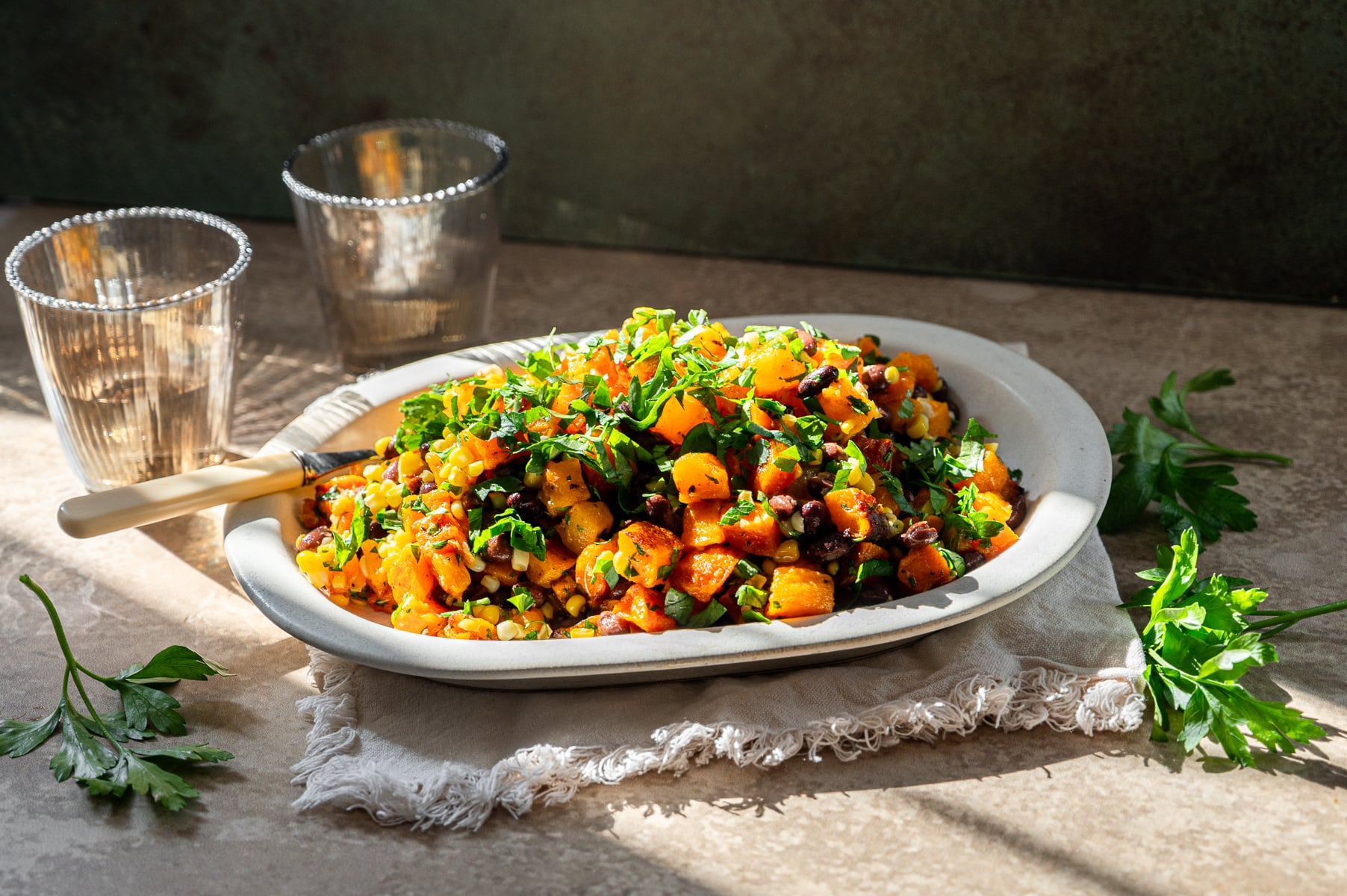
Thanksgiving turkey was not at the first feast, local dietitian finds
By Michelle Rivera
Advertisement · Why this ad?
Emily Thompson is a Beachwood native with a degree in Journalism from Kent State University. She has spent the last four years writing for community newsletters and local blogs, focused on events, culture, and the people of Beachwood.
More from Emily →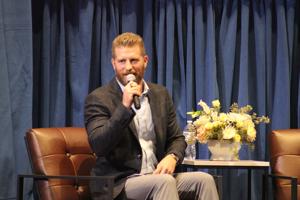
“We do not have to agree on everything to stand together,” Jeffrey Wild, board chair of the Jewish Federation of Cleveland, told audience members ahead of the evening’s title presentation. “Standing together does not mean compromising our convictions. It means having the courage to defend them, the ability to listen, and the wisdom to recognize that our shared humanity is greater than all of our differences.” This was the theme of the Federation’s “Stand Together” event, held on Nov. 5 at B’nai Jeshurun Congregation in Pepper Pike featuring Jonah Platt, a Los Angeles-based actor, musician and host of the podcast, “Being Jewish with Jonah Platt.” Van Jones, a CNN journalist, was originally slated to be in conversation with Platt, but had to pull out due to midterm election coverage. Taking his place were Meghan McCain, daughter of the late past presidential nominee John McCain, political commentator and host of the podcast “Citizen McCain,” and Coleman Hughes, acclaimed author and opinion columnist who specializes in issues related to race, public policy and applied ethics. The conversation, which was moderated by Platt, explored tribalism, the outcome of the mid-term elections, the state of Israel and its public perception in America, and identifying ways that the community can “stand together.” Kicking off the evening, both speakers shared what attracts them to engaging in controversial conversations, and both generally came to the same conclusion – that it began at home. “I grew up in a household where political disagreements were normal,” Hughes said. “My mom was a marxist and my father is a libertarian, and they would wisely debate at the dinner table, all in the context of a loving household. The assumption there is that you can love people and disagree with them at the same time – that’s how I grew up.” McCain, who was 13 years old the first time her father ran for president in 2000, shared a similar sentiment, adding that debate was central to her life and that she grew up surrounded by “independent thinkers.” “That’s a good lesson for all the parents and grandparents out here,” Platt said. “It really does matter the way you demonstrate to your children how to move about in the world.” The discussion on how people move about in the world also explored the idea of tribalism, and where the positives and negatives can lie in labels. “We’re tribal creatures,” Hughes said. “We tend to coalesce around a certain group of people and judge others as a result, but on top of that, I think the culture of American politics has become less and less civil in the past couple of decades.” McCain, who is not Jewish, referenced former senator and longtime family friend Joe Lieberman and shared that before he died, she had asked him if he ever experienced antisemitism while campaigning for vice president. His answer, she said, was no. “So what’s different in 1996 than 2026?” McCain, a Christian, said. “What has happened in the past 20 years that Joe Lieberman didn’t experience antisemitism? Something really bad has happened between then and now, and I want it to stop.” Both Hughes and McCain, Platt noted, have been public supporters of Israel and its right to exist as a state. When asked if the topic has been difficult to speak out about, Hughes said that the Westernization of the Islamic Jihad’s argument has skewed how some Americans view the issue. At its core, however, Israel is a democratic state working to exist among an organization that publicly wishes death to both Israel and America, he said. “We’re talking about democracy versus Jihad,” he said. “No American should have trouble making that decision. That should be an easy decision, and it doesn’t require being a (Jewish) ally or anything like that. It just requires an understanding.” So what can the community do to stand together, to move the needle toward a more connected and understanding world? For McCain, that idea isn’t simple as it sounds, but it starts with one connection at a time. “Reach out,” she said. “I leave voicemails and text people, even people I’m not close with, all the time just to check in on them, because I think just existing right now and looking at social media can be extremely overwhelming – so check in on your communities as much as possible.”
By Michelle Rivera
By Michelle Rivera

By Michelle Rivera
By Michelle Rivera